Hammer to Nail Presents: Richard Green, director of “I Know Catherine, the Log Lady”

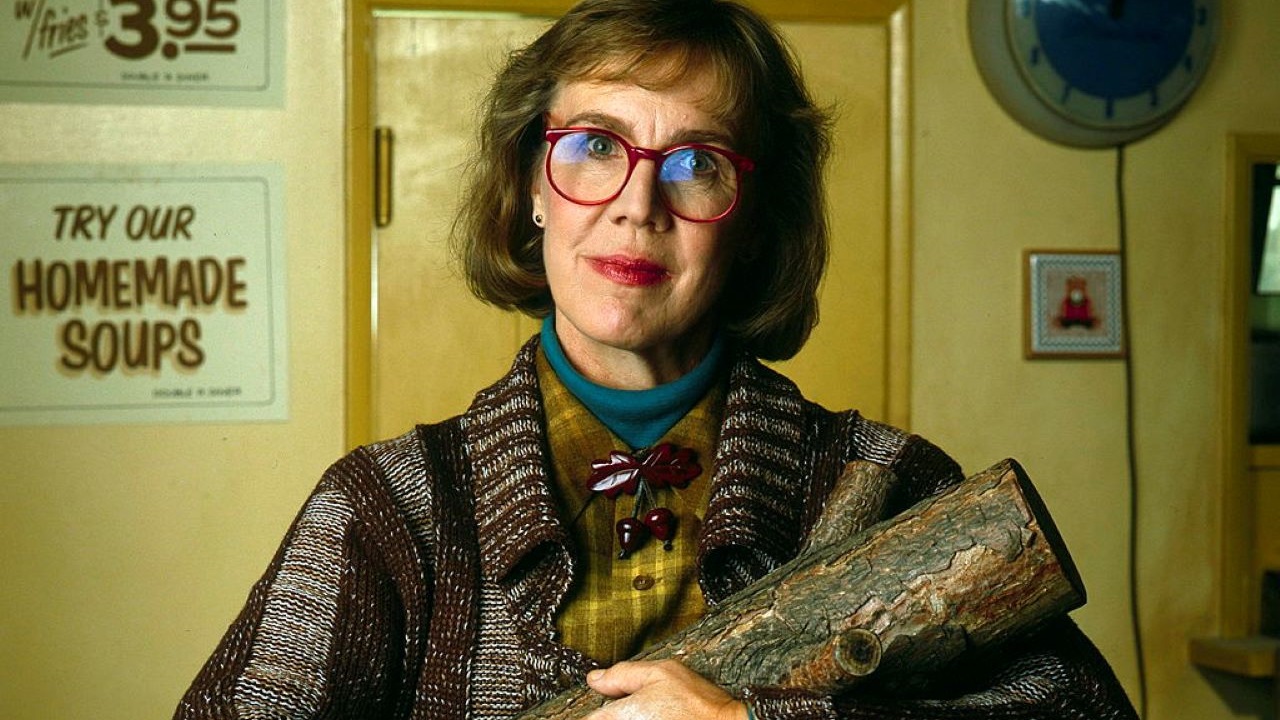
On this very special episode of Really Weird Stuff: A Twin Peaks Podcast, we team up with independent cinema outlet, Hammer to Nail, to interview Richard Green, director of the new documentary, I Know Catherine, the Log Lady, about the life and death of Catherine Coulson, aka Margaret Lanterman from Twin Peaks. As the film shows, her time on T.P. was just a fraction of the huge, dynamic life of a beloved woman. 

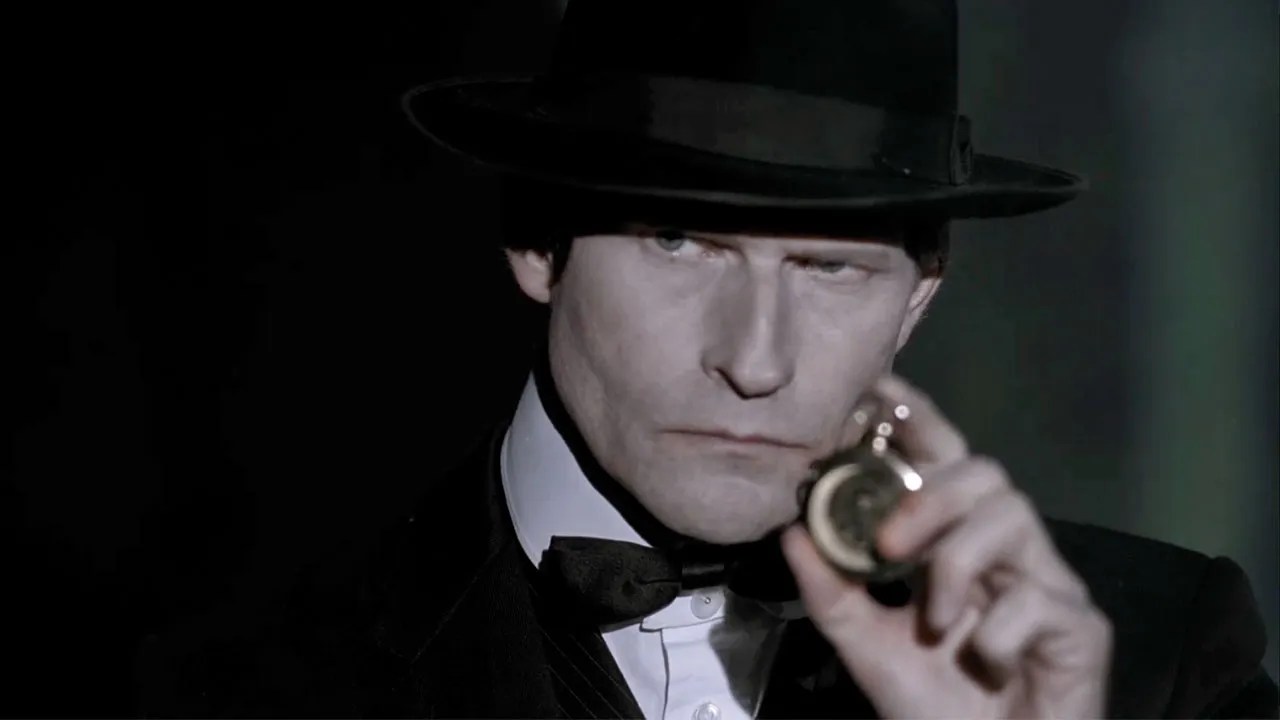
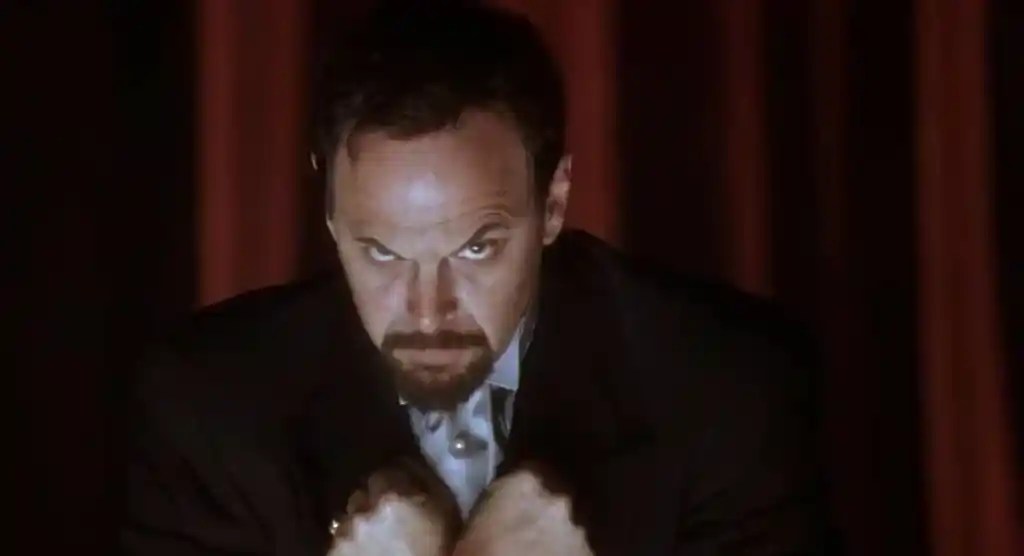
Lynch fans will also recognize Richard Green as the Magician from
Mulholland Dr. (“No Hay Banda!”) 

Baxter spoke to Green about his indelible time working with David, the challenges of reducing hundreds of hours of content into a digestible feature, the importance of the theatrical experience, and how David’s death may have been a boon to art-house cinema. 

Plus MUCH MORE! 

Check iknowcatherine.com for more information and to see if the film is coming to your city!

Hammer to Nail


insta: @reallyweirdstuffpod
bluesky: @reallyweirdstuff.bsky.social
youtube: @reallyweirdstuffpod

Hammer to Nail Interview: Richard Green, director of I Know Catherine, The Log Lady

Twenty-five years after the season two finale of the seminal prestige drama Twin Peaks aired, David Lynch heralded a third season with the following tweet: “That gum you like is going to come back in style.” This was exciting news for Twin Peaks fans and David’s frequent players alike. Catherine Coulson started working with David in his Eraserhead days, which was also when the two friends first conceived the mysterious, enigmatic, and prescient character, The Log Lady, who would eventually serve as a sort of Greek Chorus for the show and an oracle for the characters. There was no way Coulson was going to let a little thing like a terminal cancer diagnosis stop her from participating in Twin Peaks: The Return.

Director Richard Green (7 Year Zig Zag) saw a cosmic opportunity to bookend I Don’t Know Jack (his 2002 documentary about Catherine’s first husband, Jack Nance) with a peek into Catherine’s prolific legacy both in art and interpersonal connection. I Know Catherine, the Log Lady is a captivating, poignant depiction of this indelible renaissance woman who was so much more than just “the lady with the log”. Jessica Baxter recently got a chance to speak with Green about his process, inspiration, working with David Lynch, and the incomparable experience of seeing film in a movie theater.

This interview has been edited for clarity and brevity.

Hammer to Nail: Thank you so much for meeting me today. I loved your movie. It was just such a moving depiction. I already knew a little bit from just reading about Catherine and then of course seeing The Return. But there was so much I didn’t know so thank you for filling in all those blanks.

Richard Green: It’s a pleasure to have you watch it and I appreciate what you’re saying, thank you.

HtN: So, you met Catherine in the early 70s in San Francisco?

RG: Actually, I never met her in San Francisco. She had been in San Francisco and then she moved down to L.A. and went to [The American Film Institute]. And I moved up to San Francisco right about the same time and started a theater company… All of the people that had been in hers – the Circus – migrated into ours – the Theater of Marvels. I met Jack [Nance] up there but I didn’t meet Catherine until I came down [to Los Angeles]. It was ‘73, I was 20. I was on my way to hitchhike around Europe for a year, to do the hippie adventure [laughs]. And I ended up auditioning for something that one of Catherine’s close friends was in and staying in L.A. for an extra 12 weeks. And, in that time, the place I hung out was in Beachwood Canyon with Catherine, and Jack at their apartment where David [Lynch] was also living at the time. And it was just fun. It was a great place to hang out. Jack was hysterical. David was charming. And Catherine would constantly make sure you had enough to eat and drink… Heaven.

HtN: That sounds divine. Do you remember your first interaction with her or an early memory of meeting Catherine?

RG: You know, I do but it’s very vague… but it is coming up the stairs…I know exactly the stairs, just going into the apartment [in Beachwood Canyon] which my friend lives in now. And I just remember Jack and David at a table, and Catherine coming out of their kitchen The stove and the sink are right there by the door, and she would pop her head out: [musically] “Can I get you anything?” …Kind of this singing… Half of it’s probably fantasy but I just remember her as, everything being musical. The way she moved and the way she talked and the way she laughed had kind of a musical rhythm to it. It was different than anybody that I knew. That’s what I remember about Catherine and then, ya know, just her and Jack kinda… [pantomimes two fists banging together]…

Read the rest on Hammer to Nail!

Hammer to Nail Review: I Know Catherine, The Log Lady

You probably DO know Catherine, the Log Lady. She was an actress for stage and screen, a camera operator for John Cassavetes, and a frequent collaborator with a little auteur you may have heard of called David Lynch. She also played a signature character in Lynch’s seminal TV show, Twin Peaks. The final performance of her career is beautifully captured in the third season of the show, filmed 25 years after season two ended on one of the most infamous cliffhangers of all time. She get shte documentary treatment in Richard Green’s I Know Catherine, the Log Lady.

Sometimes, things fall together so perfectly that it feels pre-ordained. Catherine Coulson got her start in 1960s San Francisco, when she co-founded an acting troupe called The Circus. She met David Lynch working for him behind the camera on his nascent films. Lynch was an audio-visual magician, who assembled an indelible crew to birth what is arguably the most dynamic body of work to grace the large and small screens. Richard Green, who directed this documentary about Catherine’s life, played a character called The Magician in David Lynch’s 2001 masterpiece, Mulholland Dr.

Most know Catherine Coulson as Margaret Lanterman aka “The Log Lady”; a prescient oddball who traversed the cursed town of Twin Peaks, delivering cosmic messages transmitted through an ever-present log that only she could hear. But Coulson was also a very talented stage actor and camera operator, as well as a reliable caretaker for those she loved. Several people interviewed in I Know Catherine mention her penchant for taking in “wounded birds” and “stray dogs.” These birds and dogs were people, and some of them, sadly, were her romantic partners.

Richard Green knew Catherine, and, as a result, became a tertiary figure in Lynch’s social circle. He got the idea for his 2002 documentary, I Don’t Know Jack, at the 1996 memorial for the film’s subject: Eraserhead star Jack Nance. Nance was Catherine Coulson’s first husband, and Catherine was instrumental in corralling David for I Don’t Know Jack. How fitting, then, that Green could bookend the story with I Know Catherine, the Log Lady

Read the rest on Hammer to Nail!

Hammer to Nail Review: The Becomers

Writer/director Zach Clark (Little Sister, White Reindeer) returns with his fifth feature film, The Becomers– a unique pandemic-era allegory with notes of Jonathan Glazer’s Under the Skin, Jim Jarmusch’s Only Lovers Left Alive, and The Coneheads.

When an unnamed alien couple (called X and Y in the script) evacuate their dying planet for the refuge of earth, they are separated, and must enact unimaginable horrors to assimilate to their new surroundings and ultimately reunite. Aided by the universal trauma of the 2020 global pandemic, Clark fits a lot of context into a tight ninety-minute story. The result is an impactful, at times grotesque, occasionally comedic, and wholly romantic depiction of what it takes to regain a sense of normalcy and contentment after losing everything you once knew.

Differentiated only by the color of their pupilless, glowing eyes, X and Y utilize a technology invented by their planet’s scientists, to assimilate on Earth. Unfortunately, in involves stealing the body of a human, at the cost of their life. Worse still, the effect is only temporary, resulting in a string of unwitting deaths in the name of their own survival. They just happen to land in the Chicago area during the uncertain, mask-filled, social-bubble era of our recent past. This timing has its advantages and disadvantages.

The plot unfolds organically, with a voiceover (from Russell Mael of the band Sparks) metering out the events that brought the couple into this predicament. The narrator continues revealing the backstory throughout the present narrative. We learn a bit about the culture of their former lives, and this is where the Coneheads comp comes in. It began with a blind date over “squash steak wraps and black drink” before the couple “connected pods” and made a life together. “There were signs of things to come – the news was strange, scary, yet our little lives were as normal as ever.” They describe a rather familiar set of events that result in their own global crisis, and ultimately, a complete planetary evacuation to save their species…

Read the rest on Hammer to Nail!

Hammer to Nail Review: Monica

Despite recent progress (and plenty of setbacks), representational Trans cinema remains a barren landscape. Fortunately, we have an oasis in the form of Italian director Andrea Pallaoro’s new film, Monica, starring Trace Lysette. Pallaoro and his writing partner, Orlando Tirado, are no strangers to crafting intimate cinematic portraits of women in crisis. Charlotte Rampling won an acting award at The Venice Film Festival for helming their 2017 film, Hannah. Lysette received Venice Film Festival accolades of her own in 2022, when she became the first out Trans woman to star in a selected film.

Monica follows the titular character, a Trans woman working as a massage therapist in L.A. and in the death throes of a relationship with an unseen jerk called Jimmy. In between leaving voicemails for Jimmy, Monica is shocked to receive a call from Laura, the sister-in-law that she has never met. Laura lives in an unnamed Midwest town, raising 3 kids with Monica’s brother, Paul. It’s the same town Monica fled years before, when her mother kicked her out for being Trans. The mother who drove her away is now dying, but refusing hospital care, and the family needs Monica to lighten the load. We can guess pretty early on that the kind-hearted Laura is also hoping to facilitate a deathbed reconciliation for the family. Monica surprises herself by agreeing to come. She packs up her hot-but-janky convertible and makes the long drive to her trepidatious homecoming.

Monica is a stranger in a familiar town, meeting her sister-in-law and siblings for the first time. She hasn’t seen her little brother since Eugenia (the flawless Patricia Clarkson) told her she couldn’t be her mother anymore. No one in her biological family has ever met her as Monica. Every interaction she has outside the relative safety of Los Angeles is fraught with the prospect of conflict or even violence. So naturally, she proceeds with caution, ready to flee at the first sign of danger. She has learned this survival skill through experience. We don’t need to know specifics and the narrative doesn’t elaborate…

Read the rest on Hammer to Nail!

Metrograph Presents: It Happens To Us: Abortion In American Film (CITIZEN RUTH)

Alexander Payne’s 1996 directorial debut Citizen Ruth harkens back to a quaint time when Roe V. Wade seemed like a done deal and the public debate about whether or not a person should have agency over their own uterus was just that – a debate. Sure, there have always been plenty of folks who believe it their duty to shame pregnant people, lie to them about gestation milestones, and even literally stand between them and the abortion clinic. But back then, the law was generally on the side of the person who owned the body in question. As a forward-thinking individual, there’s not much I miss about 1996. But I do desperately miss the Me that believed abortion access was an inalienable right.

In Payne’s satirical comedy, Laura Dern plays Ruth Stoops, a chemical-huffing, unhoused young woman who finds herself at the center of the abortion debate when a judge offers to drop her drug charges if she terminates her pregnancy. Ruth has two children in state custody and two children living with her brother. When we first meet her, she’s having some very lackluster intercourse with a gross dude in exchange for a place to stay. He kicks her out the second he shoots his load of baby batter inside of her, despite their pre-coitus agreement. She is in less-than-ideal circumstances to bring another child into the world, even if she wanted to (she doesn’t). But, when a Christian fundamentalist group called the Soldiers of Christ cross her path in jail, they see Ruth as an opportunity to further their own anti-choice agenda.

Citizen Ruth is a delectable buffet of 90’s character actors, including Swoosie Kurtz, Kurtwood Smith, Alicia Witt, Mary Kay Place, and Diane Ladd. Dern as Ruth Stoops is the roast beef carving station of this entertaining spread. She’s in her comedic prime, screaming colorful profanities and emotionally swerving on a dime. In general, Dern is a criminally underrated physical comedian. Here, she hurtles her body through the scenes like a baby giraffe possessed by a strung-out Miss Piggy. Dern has said in interviews that she has never felt freer in a performance than she did playing Ruth. She sure looks like she’s having fun, and she’s a delight to watch as well. She finds the profound poetry in lines like, “Suck the shit out of my ass” and “You want to send a message? I ain’t no fuckin’ telegram, bitch!”. As the Soldiers of Christ would say, thank God for her. Without that holy acting talent, this movie would fall apart…

Read the rest on Hammer to Nail!

Film Review: The Pink Cloud


The pandemic has inspired loads of films about isolated people because isolation is where we’ve all been for a year and a half. Surprisingly, The Pink Cloud was filmed pre-COVID, but you wouldn’t know it by the way it poignantly captures the maddening nature of being stuck inside. This quiet Brazilian sci-fi feature posits: What if, when the deadly thing hit, you were immediately confined where you stood indefinitely. You’re at a slumber party with your fellow tweens and one single dad. You’re at the grocery store with strangers and your partner is at home, alone. You’re spending a leisurely morning with the person you picked up in a bar the night before, expecting them to leave soon. No walks around the block to cool off. No therapeutic trips to Trader Joe’s. These walls are now your entire world. 

That’s what happens to the protagonists of The Pink Cloud, a meditative, understated disaster film from writer/director Iuli Gerbase. In this case, the McGuffin is a toxic, pink cloud that inexplicably rolls in all across the globe and kills anyone who breaths it in within 10 seconds…

Read the rest on Hammer to Nail!

Film Review: WYRM

It’s difficult to impart a sense of Christopher Winterbauer’s feature debut, Wyrm without making it sound like a bit of a drag. The films’ own synopsis compares it to Yorgos Lanthimos (presumably The Lobster) and Todd Solondz, (presumably Welcome to the Dollhouse). The film also lends itself to comparisons to Napoleon Dynamite, but again, this is unfair. Winterbauer’s film, based on his 2017 short, isn’t nearly as nihilistic as Lanthimos or Solondz, and it’s much more nuanced than Jared Hess’ breakout smash. On its face, the script is about the mortifying awkwardness and quiet indignity of junior high sexuality, but underneath, it’s a poignant exploration of grief and the myriad ways it manifests. 

Wyrm (Theo Taplitz) is the unfortunately-monikered titular protagonist and his origin story is tragic. Born with a heart condition, he is the latest of bloomers, and literally the last kid in his 8th grade class to complete his Level 1 Sexuality Requirement. Until he’s kissed by a willing romantic partner, Wyrm must don a bulky, chafing collar around his neck, telegraphing his predicament to everyone he encounters. His twin sister, Myrcella (Azure Brandi), was once his closest confidant. But now that she’s “popped her collar,” she wants nothing to do with him and is even angling for her own room…

Read the rest on Hammer to Nail!

SFFILM Review: Censor

Most Americans probably don’t know that before Tipper Gore wreaked havoc on the United States music industry with her crusade against profanity in art, the UK had their own epidemic regarding the world of straight-to-video slasher films. Prano Bailey-Bond sets her directorial debut in a Thatcher-steeped 1980s Britain, when the BBFC (the British Board of Film Classification) demanded to run so-called Video Nasties through a rigorous screening process that resulted in mandatory edits and a viewer rating. Censor never namechecks the BBFC, but it’s clear that the film’s troubled protagonist, Enid (Niamh Algar), works for the organization. For her, it’s more than just a job – it’s a calling. That’s why she’s shocked when a brutal murder makes headlines for being linked to a film that she herself screened and rated. Soon, Enid is the victim of sinister phone calls and other harassment. Meanwhile, she is disturbed by a film that eerily resembles an incident from her childhood which resulted in the disappearance of her sister. Is Enid the victim of a sinister conspiracy, or is there something more internal at play? 

Read the rest at Hammer to Nail!

Film Review: The Power

Corrina Faith’s debut feature, The Power, is a haunted hospital story with social justice overtones. Set during the real-life planned power outages in 1970s Britain, it follows a fledgling nurse called Val (Rose Williams, Changeland), on her first day at a hospital in the East London neighborhood where she grew up. But her fortune quickly turns when a vindictive supervisor assigns her to the night shift. Val soon becomes aware of a malevolent supernatural presence that may hold the key to a conspiracy within the staff to cover up abuse. It’s part classic ghost story, part intricate commentary on the myriad power dynamics at play in the healthcare system, even in a country with socialized medicine. 

It’s a busy day at East London Royal Hospital, as the staff prepare to transport most of the patients to a nearby facility in anticipation of the scheduled overnight blackout. The only patients left behind are a handful of newborns and those on life support. When Val accidentally angers her new supervisor, Matron (Diveen Henry, Grow Your Own), she is sentenced to the night shift – which is especially problematic for Val because she has a fear of the dark brought on by a childhood trauma. Nevertheless, Val knows this is her one chance to prove her worth, so she stiffens her upper lip, pulls her skirt 3 inches below her knees, straightens her head piece, and prepares for a long night in a definitely haunted hospital. This dilapidated behemoth boasts pitch-black corners, creepy murals, and a utility closet that just won’t stay shut. As the night wears on, Val becomes increasingly certain that everyone is in danger, whilst her incredulous and condescending colleagues take her warnings as a sign of her mental deterioration…

Read the rest at Hammer to Nail!