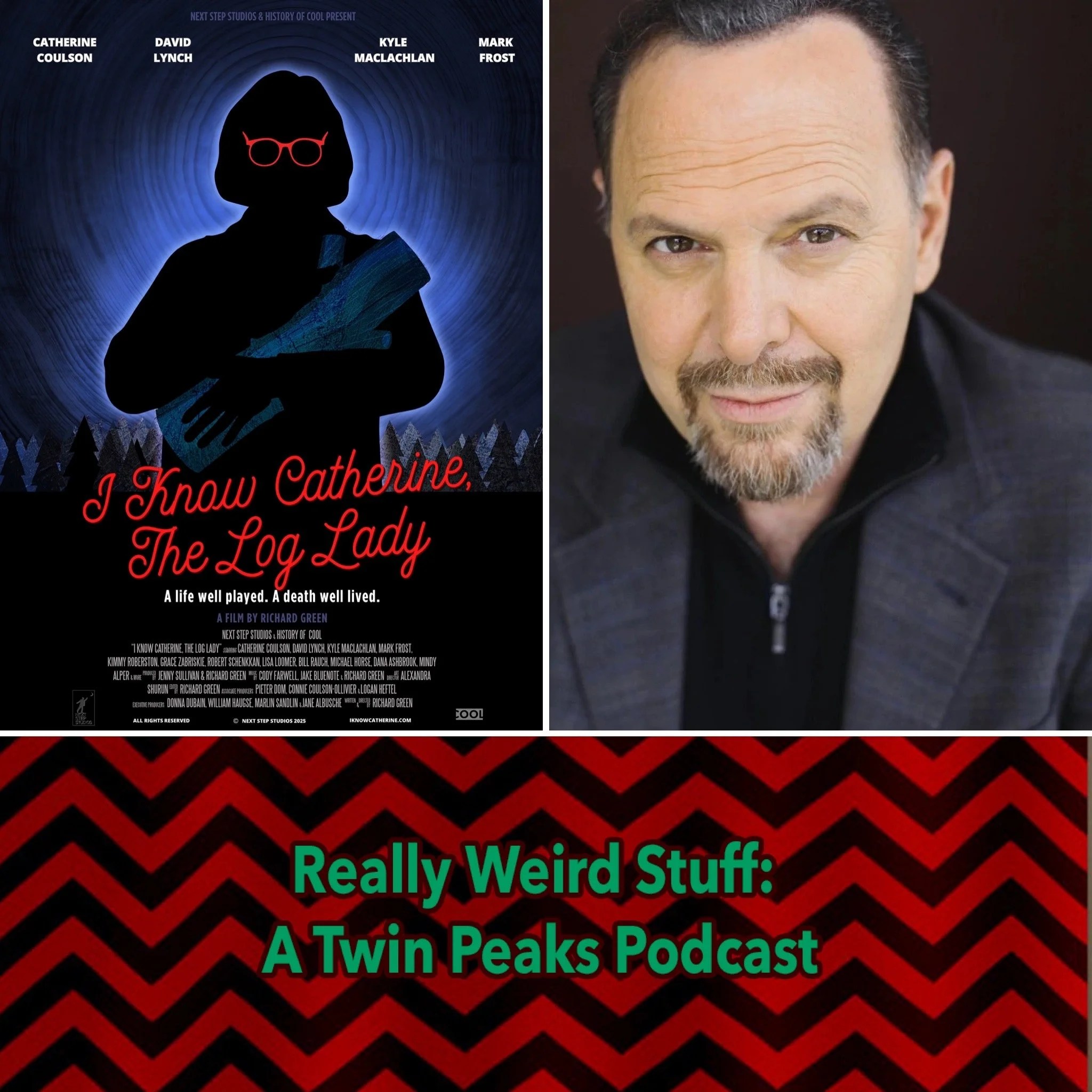
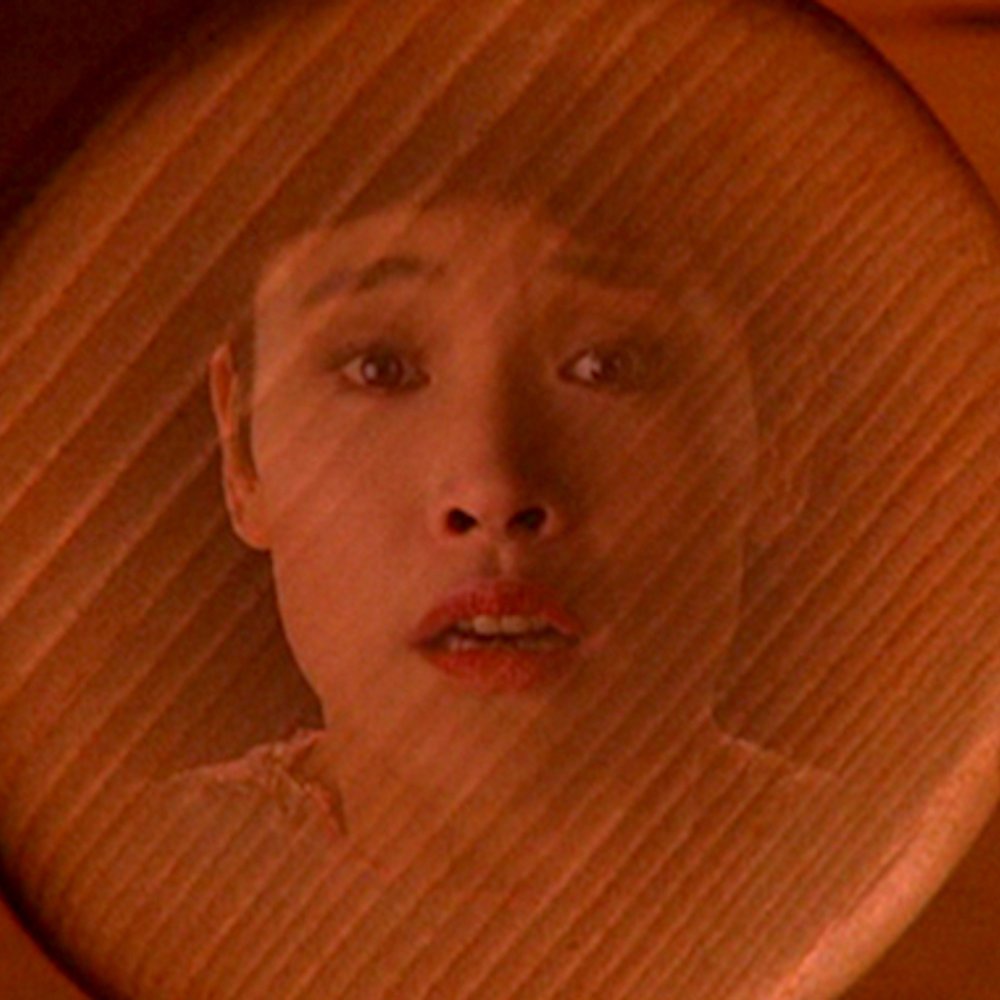
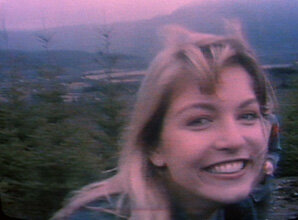
On this very special episode of Really Weird Stuff: A Twin Peaks Podcast, we team up with independent cinema outlet, Hammer to Nail, to interview Richard Green, director of the new documentary, I Know Catherine, the Log Lady, about the life and death of Catherine Coulson, aka Margaret Lanterman from Twin Peaks. As the film shows, her time on T.P. was just a fraction of the huge, dynamic life of a beloved woman.
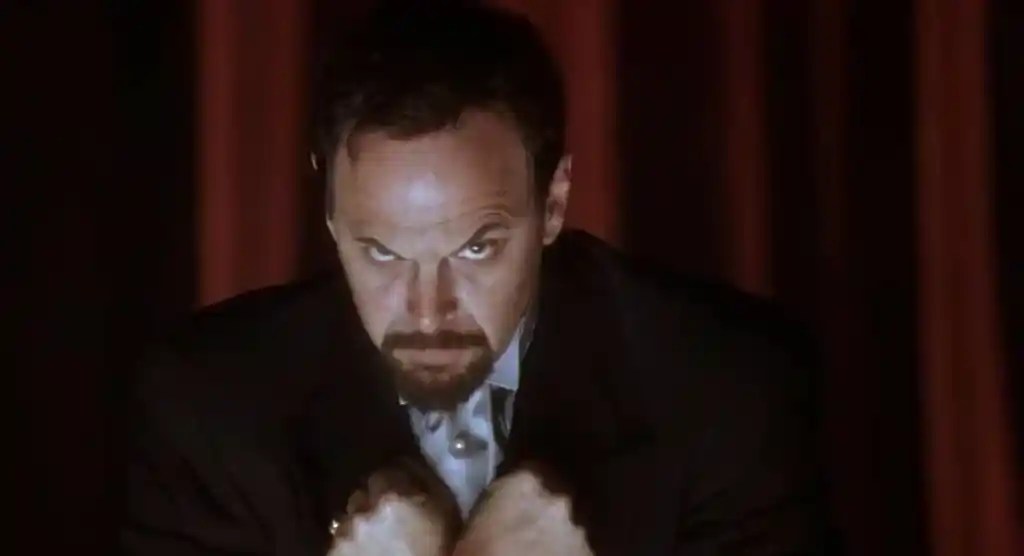
Lynch fans will also recognize Richard Green as the Magician from Mulholland Dr. (“No Hay Banda!”)
Baxter spoke to Green about his indelible time working with David, the challenges of reducing hundreds of hours of content into a digestible feature, the importance of the theatrical experience, and how David’s death may have been a boon to art-house cinema.
Plus MUCH MORE!
Check iknowcatherine.com for more information and to see if the film is coming to your city!
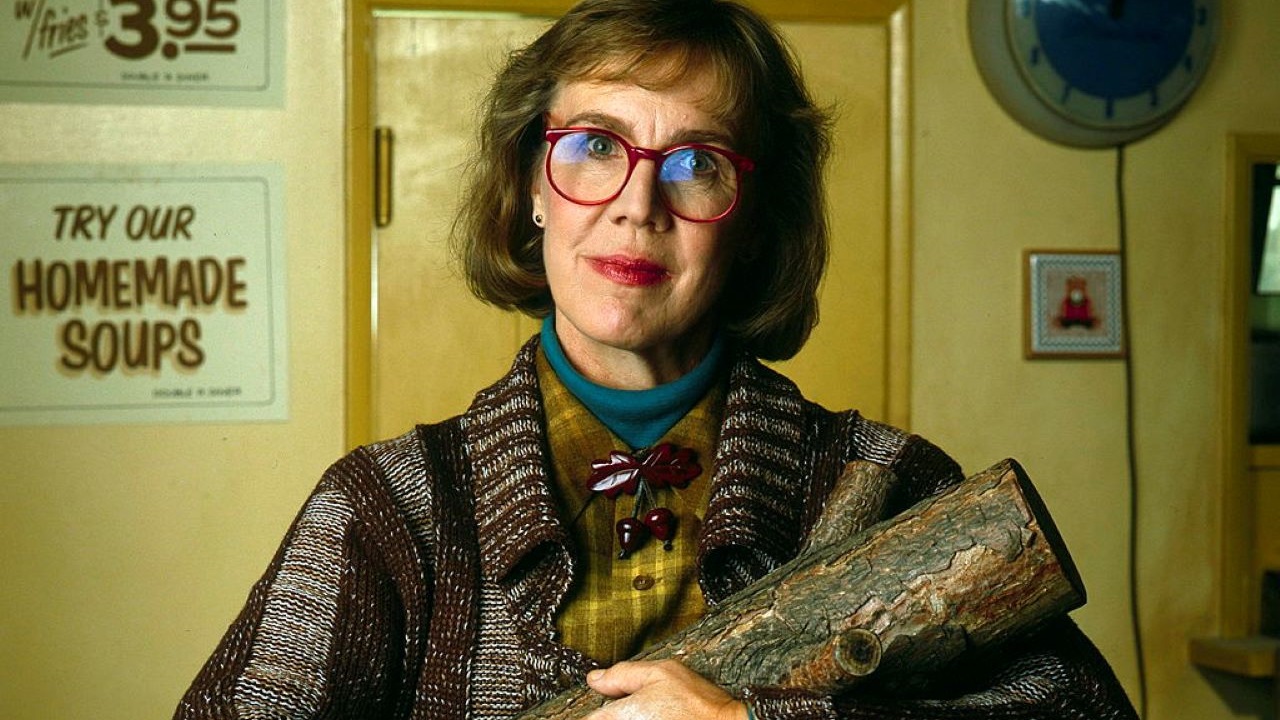
Twenty-five years after the season two finale of the seminal prestige drama Twin Peaks aired, David Lynch heralded a third season with the following tweet: “That gum you like is going to come back in style.” This was exciting news for Twin Peaks fans and David’s frequent players alike. Catherine Coulson started working with David in his Eraserhead days, which was also when the two friends first conceived the mysterious, enigmatic, and prescient character, The Log Lady, who would eventually serve as a sort of Greek Chorus for the show and an oracle for the characters. There was no way Coulson was going to let a little thing like a terminal cancer diagnosis stop her from participating in Twin Peaks: The Return.
Director Richard Green (7 Year Zig Zag) saw a cosmic opportunity to bookend I Don’t Know Jack (his 2002 documentary about Catherine’s first husband, Jack Nance) with a peek into Catherine’s prolific legacy both in art and interpersonal connection. I Know Catherine, the Log Lady is a captivating, poignant depiction of this indelible renaissance woman who was so much more than just “the lady with the log”. Jessica Baxter recently got a chance to speak with Green about his process, inspiration, working with David Lynch, and the incomparable experience of seeing film in a movie theater.
This interview has been edited for clarity and brevity.
Hammer to Nail: Thank you so much for meeting me today. I loved your movie. It was just such a moving depiction. I already knew a little bit from just reading about Catherine and then of course seeing The Return. But there was so much I didn’t know so thank you for filling in all those blanks.
Richard Green: It’s a pleasure to have you watch it and I appreciate what you’re saying, thank you.
HtN: So, you met Catherine in the early 70s in San Francisco?
RG: Actually, I never met her in San Francisco. She had been in San Francisco and then she moved down to L.A. and went to [The American Film Institute]. And I moved up to San Francisco right about the same time and started a theater company… All of the people that had been in hers – the Circus – migrated into ours – the Theater of Marvels. I met Jack [Nance] up there but I didn’t meet Catherine until I came down [to Los Angeles]. It was ‘73, I was 20. I was on my way to hitchhike around Europe for a year, to do the hippie adventure [laughs]. And I ended up auditioning for something that one of Catherine’s close friends was in and staying in L.A. for an extra 12 weeks. And, in that time, the place I hung out was in Beachwood Canyon with Catherine, and Jack at their apartment where David [Lynch] was also living at the time. And it was just fun. It was a great place to hang out. Jack was hysterical. David was charming. And Catherine would constantly make sure you had enough to eat and drink… Heaven.
HtN: That sounds divine. Do you remember your first interaction with her or an early memory of meeting Catherine?
RG: You know, I do but it’s very vague… but it is coming up the stairs…I know exactly the stairs, just going into the apartment [in Beachwood Canyon] which my friend lives in now. And I just remember Jack and David at a table, and Catherine coming out of their kitchen The stove and the sink are right there by the door, and she would pop her head out: [musically] “Can I get you anything?” …Kind of this singing… Half of it’s probably fantasy but I just remember her as, everything being musical. The way she moved and the way she talked and the way she laughed had kind of a musical rhythm to it. It was different than anybody that I knew. That’s what I remember about Catherine and then, ya know, just her and Jack kinda… [pantomimes two fists banging together]…
You probably DO know Catherine, the Log Lady. She was an actress for stage and screen, a camera operator for John Cassavetes, and a frequent collaborator with a little auteur you may have heard of called David Lynch. She also played a signature character in Lynch’s seminal TV show, Twin Peaks. The final performance of her career is beautifully captured in the third season of the show, filmed 25 years after season two ended on one of the most infamous cliffhangers of all time. She get shte documentary treatment in Richard Green’s I Know Catherine, the Log Lady.
Sometimes, things fall together so perfectly that it feels pre-ordained. Catherine Coulson got her start in 1960s San Francisco, when she co-founded an acting troupe called The Circus. She met David Lynch working for him behind the camera on his nascent films. Lynch was an audio-visual magician, who assembled an indelible crew to birth what is arguably the most dynamic body of work to grace the large and small screens. Richard Green, who directed this documentary about Catherine’s life, played a character called The Magician in David Lynch’s 2001 masterpiece, Mulholland Dr.
Most know Catherine Coulson as Margaret Lanterman aka “The Log Lady”; a prescient oddball who traversed the cursed town of Twin Peaks, delivering cosmic messages transmitted through an ever-present log that only she could hear. But Coulson was also a very talented stage actor and camera operator, as well as a reliable caretaker for those she loved. Several people interviewed in I Know Catherine mention her penchant for taking in “wounded birds” and “stray dogs.” These birds and dogs were people, and some of them, sadly, were her romantic partners.
Richard Green knew Catherine, and, as a result, became a tertiary figure in Lynch’s social circle. He got the idea for his 2002 documentary, I Don’t Know Jack, at the 1996 memorial for the film’s subject: Eraserhead star Jack Nance. Nance was Catherine Coulson’s first husband, and Catherine was instrumental in corralling David for I Don’t Know Jack. How fitting, then, that Green could bookend the story with I Know Catherine, the Log Lady…
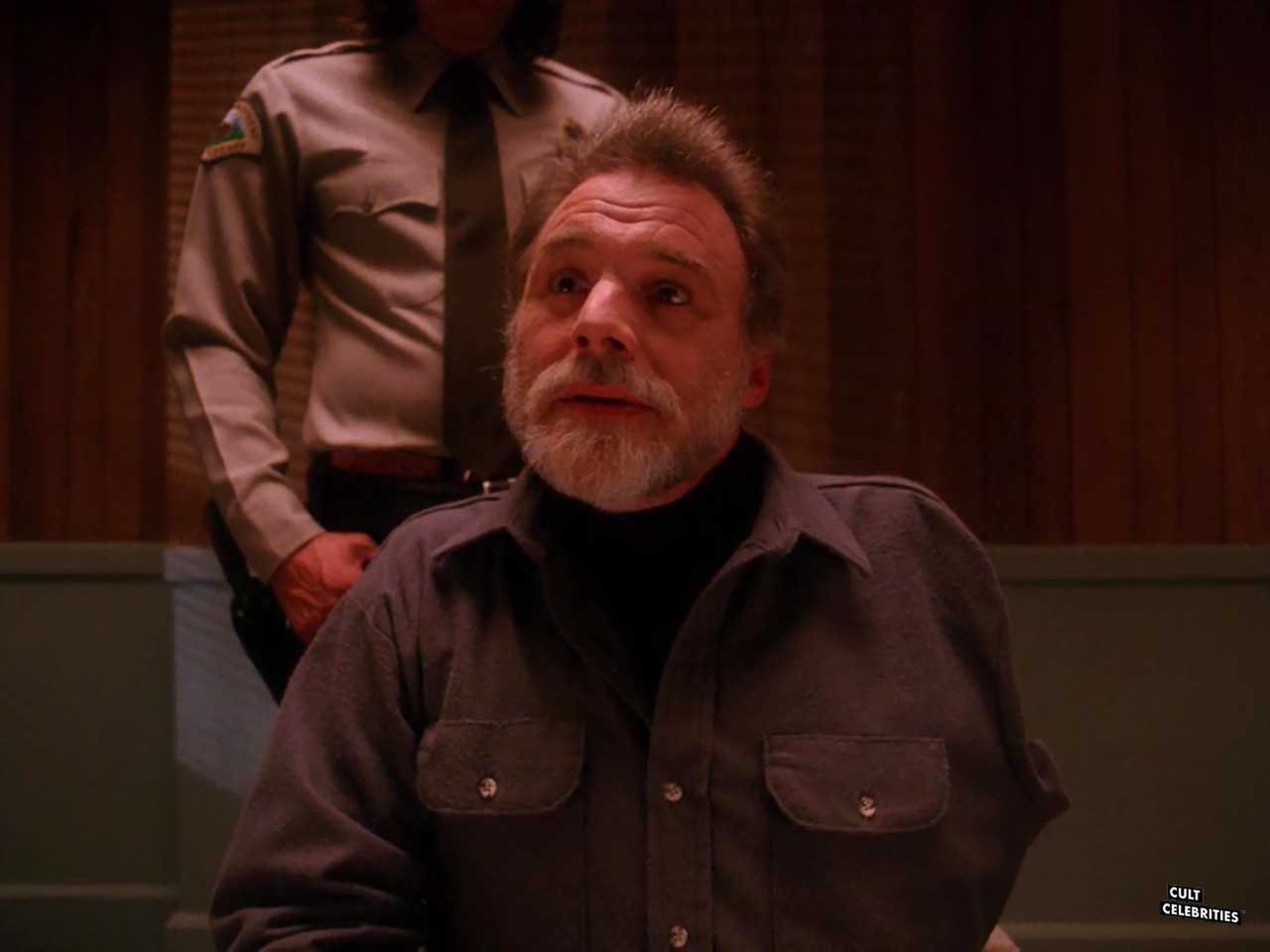
On episode 30 of Really Weird Stuff, we’re discussing Twin Peaks Season 2, Episode 23: “Beyond Life and Death”. This episode was written by Mark Frost,Robert Engels, Harley Peyton, and David Lynch (uncredited). It was directed by David Lynch. This episode is best known for being the last episode of the original ABC series run, and for having the most frustrating cliffhanger in television history. Very special guest Leeni Ramadan joins us to explore such mysteries as:
WHAT is the significance of the Red Room decor?
WHY is Harry so uncommunicative with the guy who is trying to feed him?
WHERE are Gersten and Harriet Hayward? SERIOUSLY.
PLUS:How IS Annie?
Ladies and Gentlemen, the Roadhouse is proud to welcome: Leeni Ramadan!
On episode 24 of Really Weird Stuff, we’re discussing Twin Peaks Season 2, Episode 16: “The Condemned Woman“. This episode was written by Tricia Brock and directed by Lesli Linka Glatter. Brock and Glatter had the unenviable task of bidding adieu to Josie and James, and they rise to the occasion, with a well-written script, and solid direction. Special guest Ryan Weadon of Ex-Rated Movies Podcast joins us to explore such mysteries as:
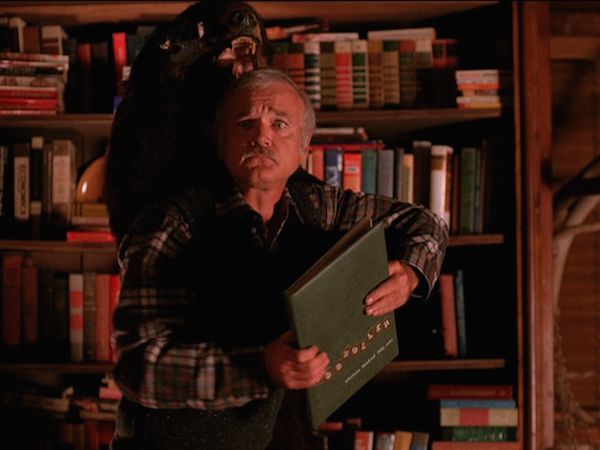
WHERE, oh where, is Doc Hayward?
IS it actually romantic to call someone “the love of your life” when you’re only in your early thirties?
WHO is that mysterious woman in the bright blue dress?
On episode 20 of Really Weird Stuff, we’re discussing Twin Peaks Season 2, Episode 12: “The Black Widow”. This episode was written by Harley Peyton and Robert Engels and directed by Caleb Deschanel. It’s best known as the one where Dougie dies and Denise and Audrey help Coop clear his name. For an episode that features Evelyn, James, and that Little Nicky business, it’s surprisingly funny. Special guest Chris Brugos joins us to explore such mysteries as:
DID Coop learn to taste random white powders at Quantico? WHAT is the deal with the woman from Galway? WHO has the more compelling forehead, between James and Malcolm?
PLUS: We analyze Audrey’s reaction to meeting Denise!
Editors note: In this episode, we mention that the episode titles were added after they first aired in the United States. The titles were later bestowed by unknown persons when they aired on German television.
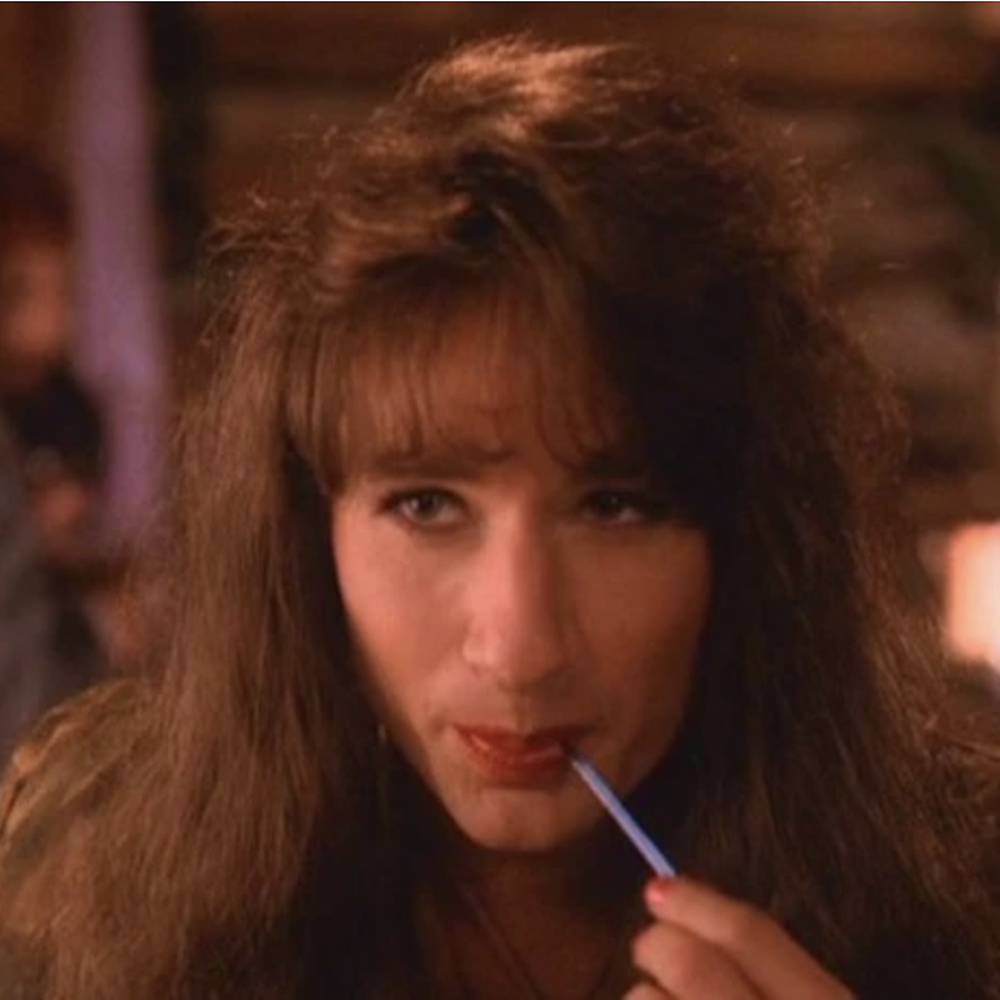
On episode 19 of Really Weird Stuff, we’re discussing Twin Peaks Season 2, Episode 11: “Masked Ball”. This episode was written by Barry Pullman and directed by Duwayne Dunham. It’s best known as the one with the Milford Wedding and the introduction of DEA Agent Denise Bryson (David Duchovny)! Special guest Chris Brugos joins us to fawn over Denise and explore such mysteries as:
WHY are there so many psychotic outfits in this episode? WHERE is Doc Hayward? WHAT possesses Josie to return to Catherine?
PLUS: An idea that’s sure to catch on – The Objections Brunch!
On episode 14 of Really Weird Stuff, we’re discussing Twin Peaks Season 2, Episode 6: Demons. This episode was written by Harley Peyton and Robert Engels. It was directed by Lesli Linka Glatter. It’s best known as the one that calls out the “Really Weird Stuff” directly (Gordon Cole, played by David Lynch, makes his first on-screen appearance). And Al Strobel knocks it out of the park as Phillip Gerard and MIKE, an otherworldly inhabiting spirit who broke good to stop his former partner in crime from killing again.
Special guest Chris Brugos joins us to explore such mysteries as:
DOES Twin Peaks have an official ACAB stance?
WHO wore the red plaid jacket best?
WHY must we hear “Just You and I” every time we see James and Donna on screen together?
PLUS: Brugos has some mind-blowing theories on Tulpas, Maddy, and why Gordon Cole is deaf!
On episode 8 of Really Weird Stuff, we’re discussing the Twin Peaks season 1 finale: The Last Evening, written and directed by Mark Frost. It’s the one with all the cliffhangers, including Coop bleeding out on the floor of his hotel room. This episode originally aired on May 23rd 1990 and angered 11 million viewers, who thought they were going to learn who killed Laura Palmer. Hosts Annie Malone and Jessica Baxter explore such mysteries as:
HOW much does Hank spend on payphone calls?
WHY is Doc Hayward literally everywhere?
WHAT makes Coop so good at Blackjack?
PLUS: How invested is Leo in the plot of Invitation to Love?
Welcome to Twin Peaks, an Eastern-ish Washington town full of eccentric characters and plenty of really weird stuff for Annie Malone and Jessica Baxter to discuss at length. For our pilot episode, we discuss our personal histories with Twin Peaks and David Lynch, the origin of the show, and of course, THE Pilot, which aired on April 8th, 1990 on the American Broadcasting Company.
On RWS, we aim to analyze each episode of Twin Peaks in the context of the whole, including Fire Walk with Me, The Missing Pieces, The Secret Diary of Laura Palmer, The Secret History of Twin Peaks, and The Final Dossier. This episode is a taste of where we’re headed. Please subscribe, and add us on insta (@reallyweirdstuffpod), and twitter (@reallyweirdpod). We will continue this deep dive into all things TWIN PEAKS in Fall of 2021.
Really Weird Stuff is available on all major Podcast apps and our website. Or download the pilot directly by clicking here!