
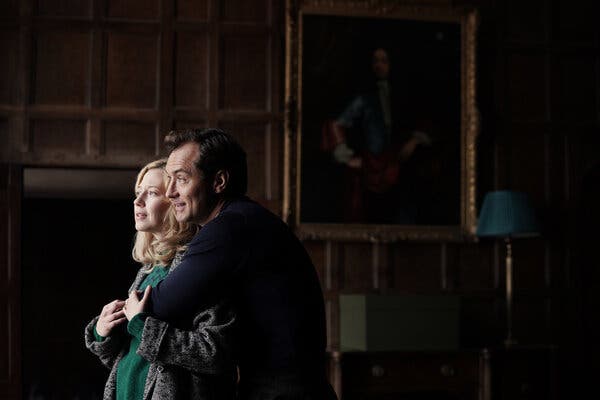
Sean Durkin’s long-awaited follow-up to 2011’s Martha Marcy May Marlene begins with a static shot of an unassuming suburban car port circa 1980-something and an ominous score. The family who dwells inside the house are indeed about to have their lives turned upside-down, but it’s not because of a ghost, demonic possession or a violent home invasion. The monster that terrorizes the family in The Nest is capitalism, and it’s a most insidious foe because it is pervasive, amorphous, and so, very real.
Jude Law (The Talented Mr. Ripley) stars as Rory, a British business man in the nebulous field of “finance”, who feels he has spent enough time wallowing in American mediocrity so that his horse-loving wife, Allison (Carrie Coon, TVs Fargo, The Leftovers) can be close to her family. He longs to return to the lucrative and fast-paced office life he enjoyed in London before he became Husband of the Year. He’s had enough of bringing Allison coffee every morning and getting the kids off to school so she can go to work at the local stables. When we first meet Rory, he’s schmoozing it up on the phone with an old colleague, and definitely trying too hard. If you wonder how well Rory’s schtick goes over in the London office, you’ll find out soon enough that most people see through his shit immediately. They keep him around because he seems “a nice enough chap” or perhaps because it’s because he looks like Jude Law. Regardless, Rory manages to carve a space for himself in his old office, and has already planned out everything before saying word one to Allison…
Read the rest at Hammer to Nail!

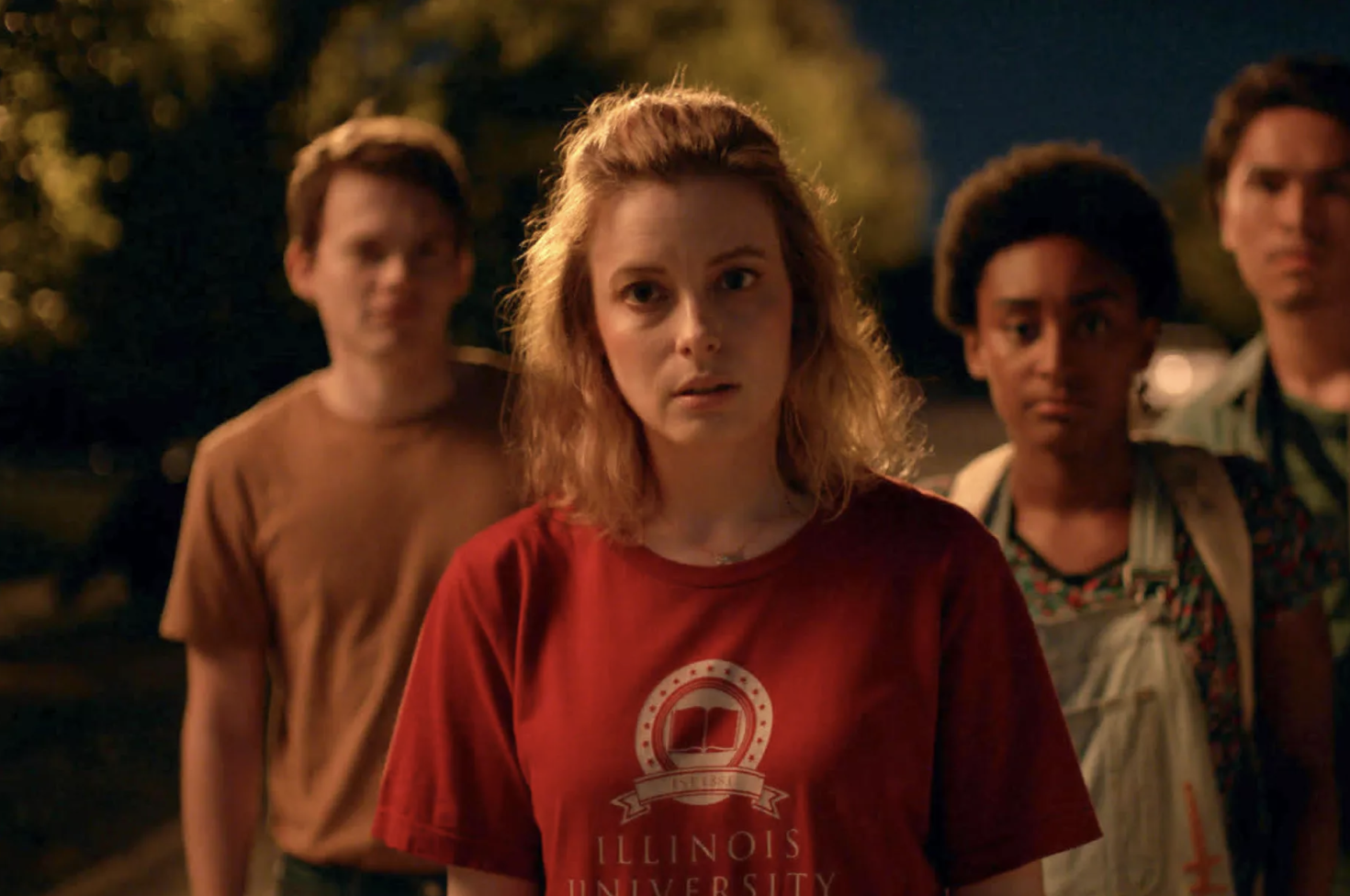
 The plot of Shannon Murphy’s debut dramatic feature, Babyteeth is familiar: A spirited teen is diagnosed with terminal cancer and then falls in love with an eccentric boy who renews her lust for life or whatever, while her dysfunctional parents look on disapprovingly. But Murphy’s film, based on the hit play by Rita Kalnejais, is basically the antithesis of melodramatic schmaltz like A Walk to Remember or The Fault in Our Stars.
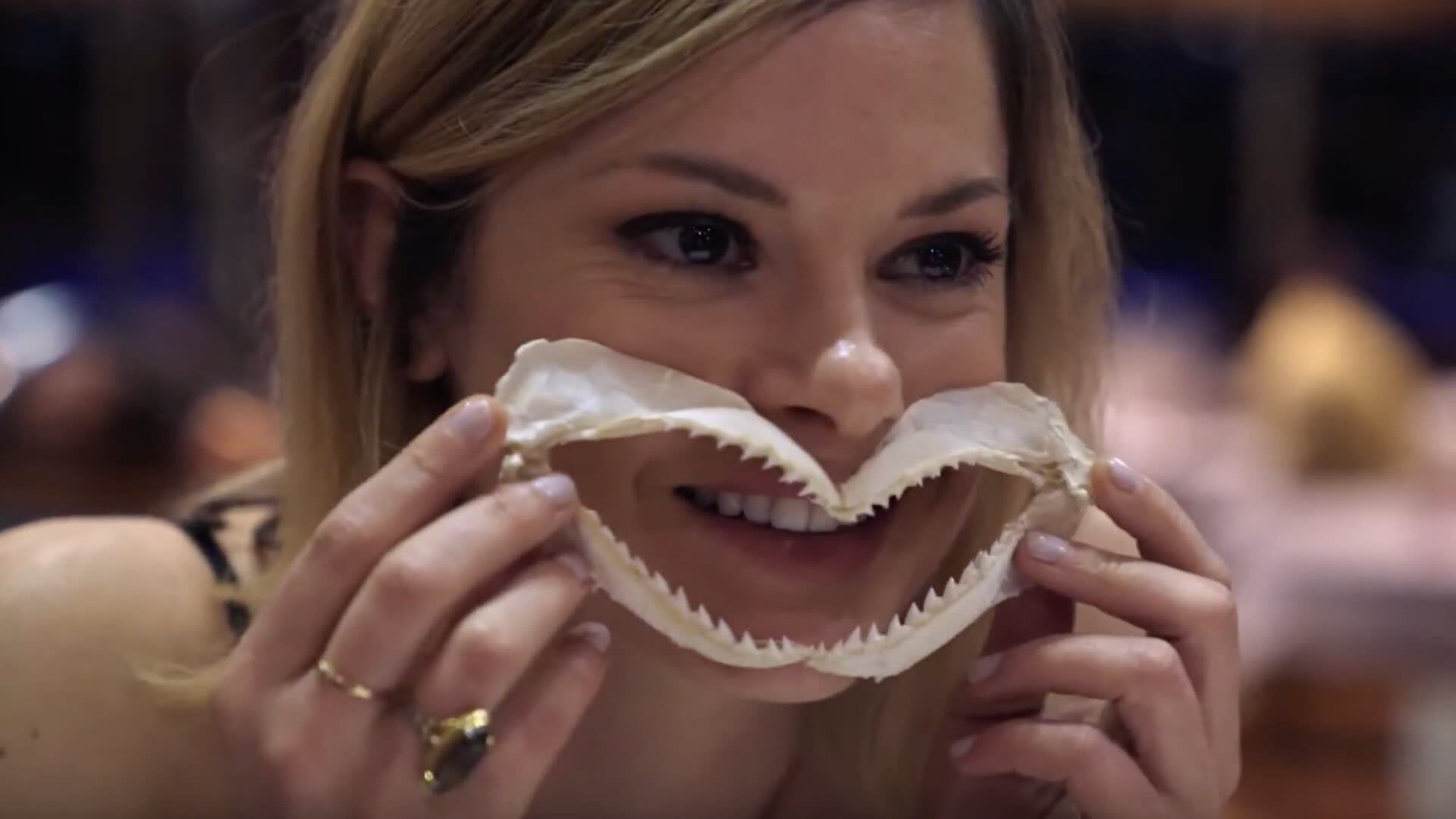 Not enough is made of how insane cruises are as a concept. Think about it. According to The Independent, 3 out of 10 people have, at some point, paid exorbitant amounts of money to sail a behemoth across the ocean with roughly 3000 strangers, consumed obscene amounts of ostentatious-but-mostly-mediocre food and entertainment, slept in tiny boxes, and tried to make the most of the stuff that’s included (like free soft serve ice cream) whilst getting nickel-and-dimed to death over the stuff that isn’t (alcohol). My brain has so much trouble reconciling this phenomenon that after going on a cruise 10 years ago, I have had countless recurring dreams set on an ocean liner.
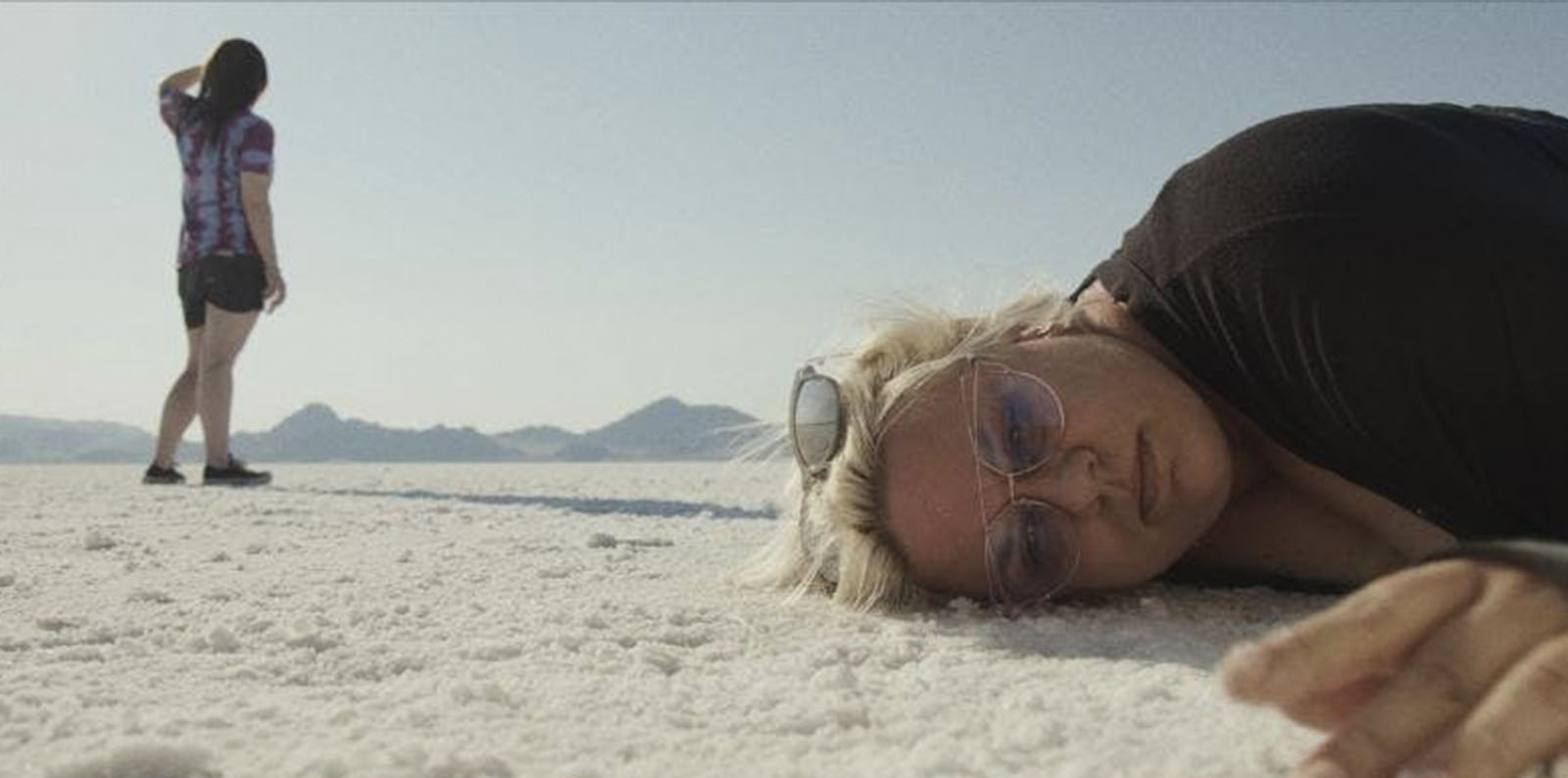
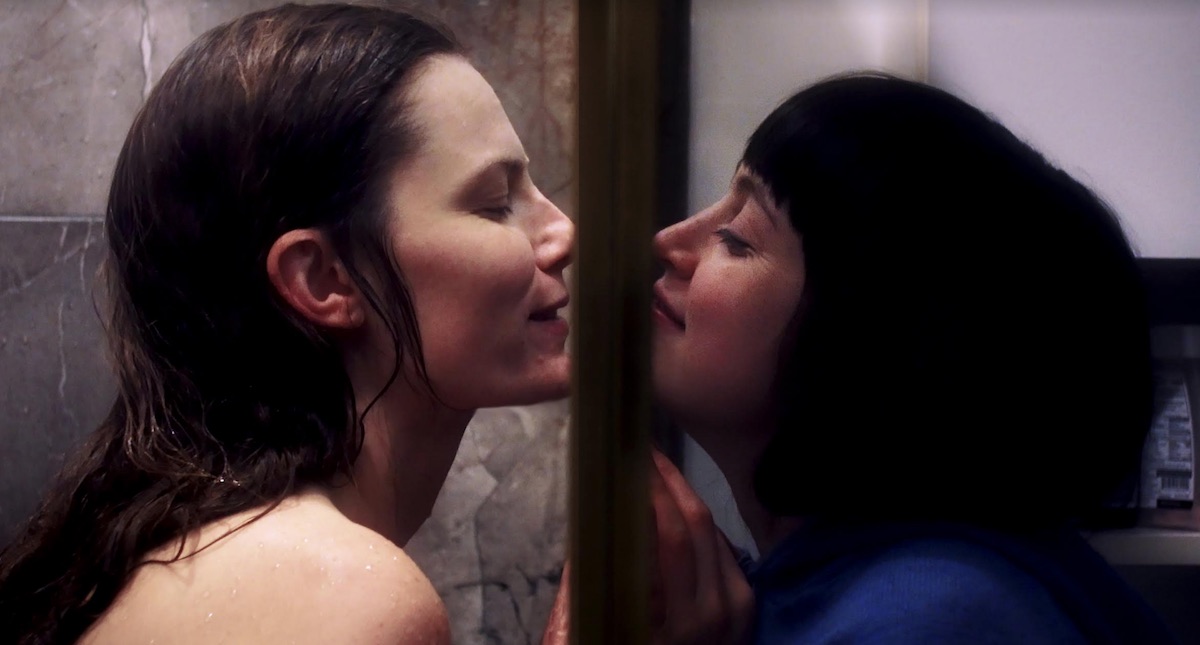 The Carnivores isn’t about meat. But it’s not, not about meat. The plot of Caleb Michael Johnson’s (Joy Kevin) sophomore feature involves a couple who struggle to maintain their relationship because of their terminally ill dog, Harvie. Brett (Lindsay Burdge, The Invitation) is more emotionally invested in keeping Harvie alive for as long as possible despite the fact that his treatments are taking them beyond their means. Meanwhile, Alice (Tallie Medel) obsesses over their negative finances and how often she and Brett are intimate (not very). Flesh is a recurring theme in this surreal psychological romantic horror film co-written by Johnson and Jeff Bay Smith. What does it mean that we both consume flesh and are made of flesh? Why is some meat precious and other meat food?


 Effed by the Wind